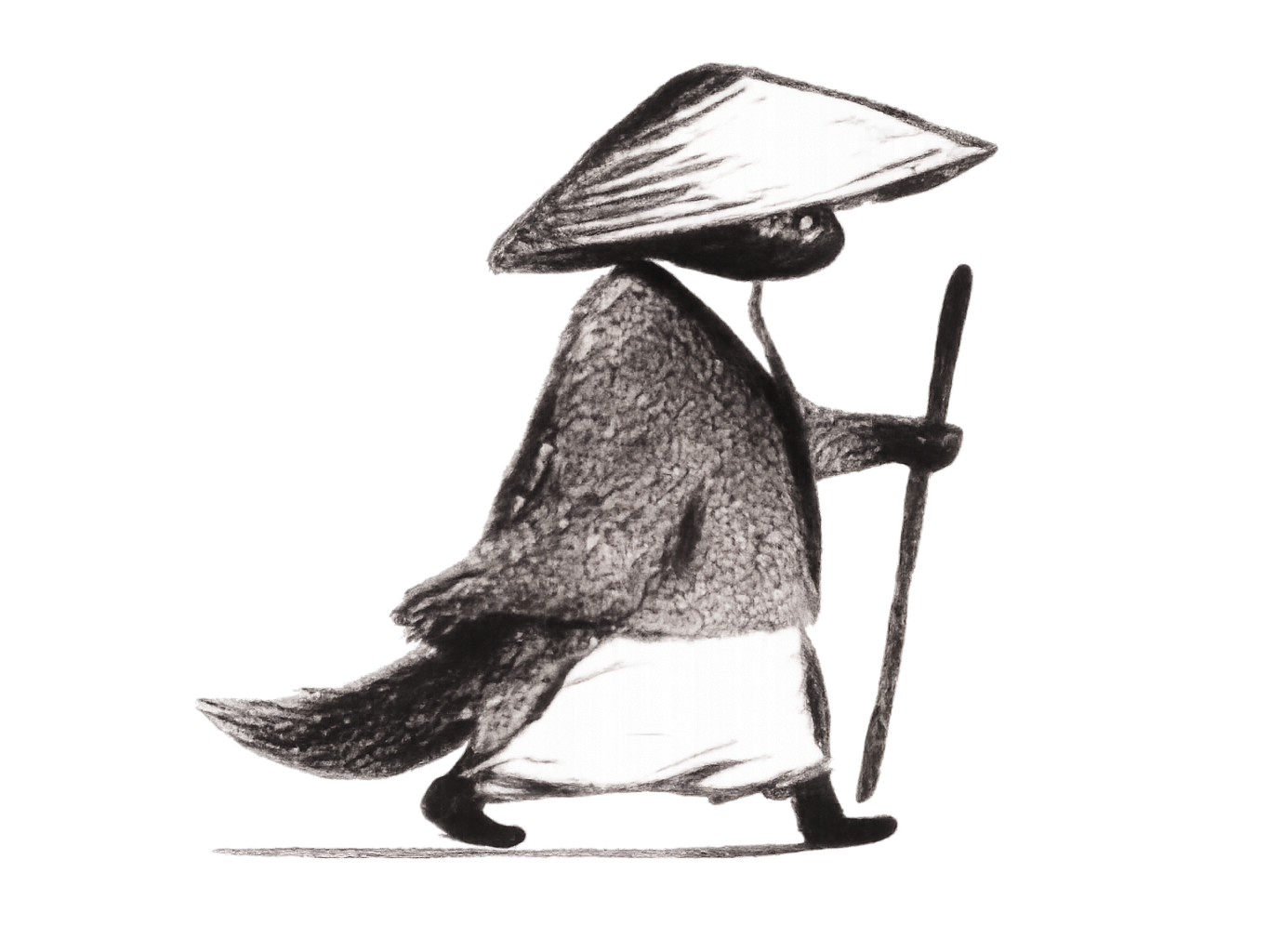
女将さんたち
Women of the inns
lanterns held together —
crossing the night.
宿の女将たち
寄り添う灯
夜を越えて
⸻
In villages like ours, the okami-sans form a quiet committee.
Not an official one.
No meetings, no minutes.
It moves like the tide — one generation easing out, another stepping in.
The water never stops.
By day they run inns, feed guests, and manage lives shaped by bus timetables and seasons.
By night, they listen.
Many of the men who stay come alone
They arrive by bus, leave by bus, and return again the next week.
Some stay for days.
Some for weeks.
Some for months that quietly blur together.
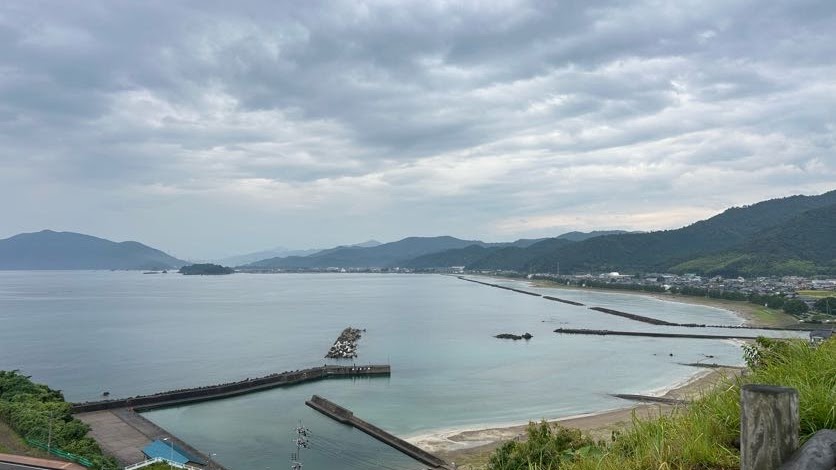
They work long hours at the far end of the bay.
The work is heavy.
The pressure constant.
Their thoughts have nowhere to go.
So they talk — after dinner, over tea, sometimes with sake, sometimes with nothing in their hands at all.
The okami-sans listen without asking.
They do not pry.
They do not rush.
For one man, an okami-san is a mother — steady, practical, reminding him to eat properly, to sleep, to wash his work clothes.
For another, a sister — someone who scolds gently, laughs easily, and tells him when he is being foolish.
And for some, especially those far from home, she becomes the outline of a love once known — or one never quite found.
Nothing improper.
Nothing spoken aloud.
Just care received in a world that rarely offers it.
This coast has known many kinds of labor, many kinds of pressure.
Men who rise early, return late, and carry responsibility home like salt on their skin.
Sometimes the weight is too much.
Sometimes the sea keeps its secrets.
What remains are women who hold the pieces.
They cook.
They clean.
They make room.
Children are folded into kitchens.
Worries are poured out with tea.
Silence is allowed to sit without being fixed.
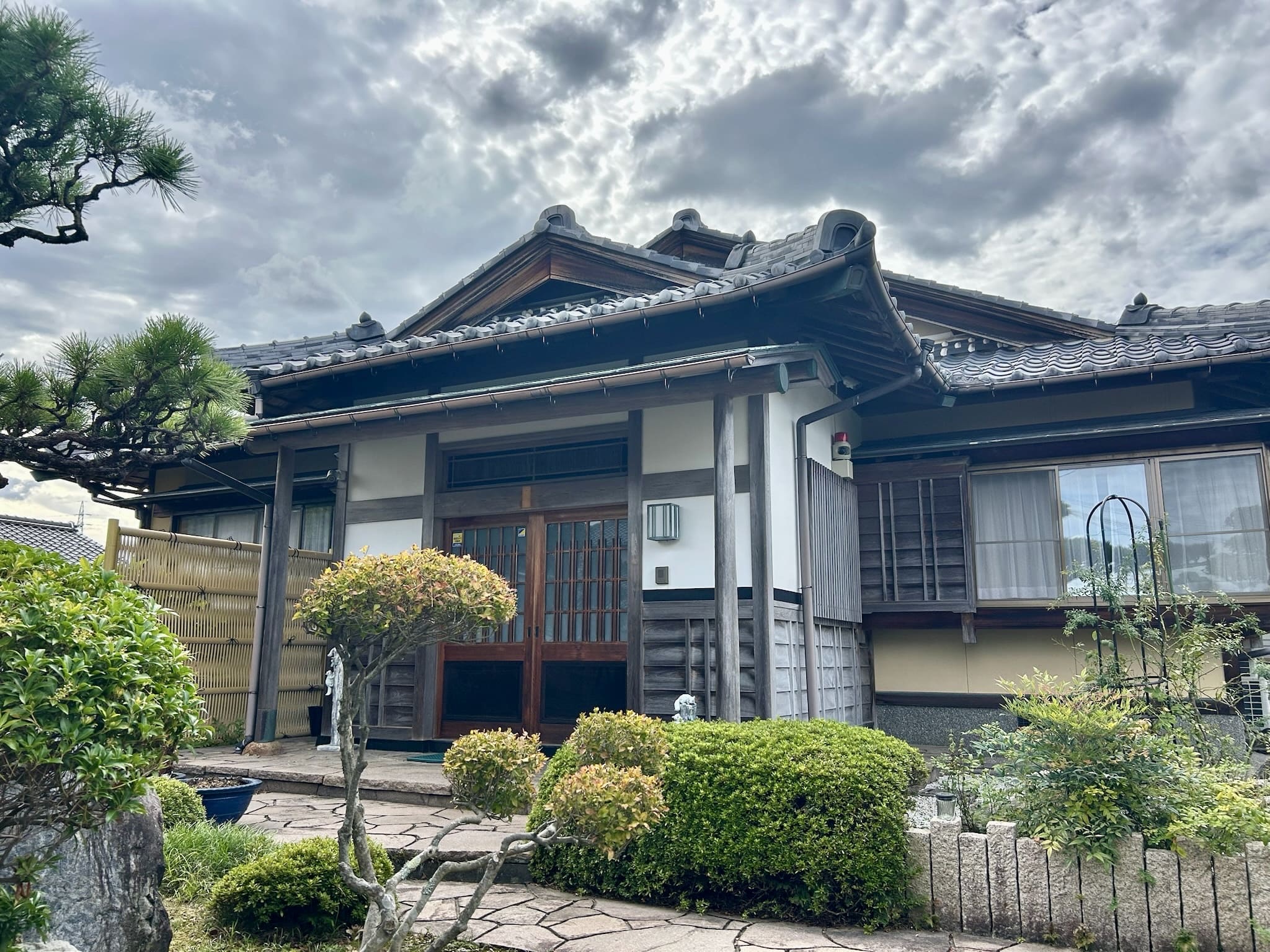
I learned this one May evening, after a long day putting Aoba-an in order.
Over dinner, a neighbor shared something heavy — not details, just the shape of it.
We did not try to solve it.
We did not ask why.
We recognized it.
Each of us had lost a brother once, long ago.
Different paths.
The same ache.
We cried a little.
Then laughed — the awkward kind that comes when tears have nowhere else to go.
Outside, Mt. Aoba held the dark.
Inside, the table stayed warm.
This is how the okami-sans work.
They do not explain grief.
They make space for it.
They keep the lamps lit.
They make sure children are fed.
They listen long after the dishes are cleared.
And in doing so, they carry the village forward — one quiet evening at a time.
私たちのような村では、女将さんたちは静かな「寄り合い」をつくっています。
正式なものではない。
会議もなければ、議事録もない。
それは潮の満ち引きのように動くもの。
ひとりがそっと役目を終え、
また次の世代が、何事もなかったかのように加わる。
水は止まることがない。
昼は宿を切り盛りし、客を迎え、季節とバスの時間に合わせて働く。
夜は、話を聞く。
宿に泊まる男たちの多くは、ひとりで来る。
バスで来て、バスで帰り、また次の週に戻ってくる。
数日滞在する人もいれば、
数週間、
あるいは数か月、時の流れに溶けるように静かにとどまる人もいる。
湾のいちばん奥で、長い時間働いている。
仕事はきつく、
張りつめた気持ちの行き場がない。
だから話す。夕食のあと、お茶を飲みながら、ときには酒を、ときには、何も手に持たずに。
女将たちは、問いただすことなく聴く。
踏み込まず、
急がせない。
そしてゆっくりと、名づけられることのない何かへと変わっていきます。
ある人にとっては、母のような存在。 揺るがず、実際的で、きちんと食べること、眠ること、仕事着を洗うことを思い出させてくれる人。
またある人にとっては、姉のような存在。やさしく叱り、よく笑い、馬鹿なときには馬鹿と言ってくれる人。
そして、家を遠く離れてきた人にとっては、かつて知っていた愛の輪郭。あるいは、まだ見つからなかった愛の気配になることもあります。
不適切なことはなにもない。
口に出されることもない。
ただ、この世界ではめったに差し出されない気づかいを、受け取るだけ。
この海辺は、さまざまな労働と、さまざまな重圧を知っている。
早朝に家を出て、夜遅く戻り、責任を塩のように肌にまとって帰る男たち。
ときに、その重さは耐えがたくなり、
ときに、海は多くを語らない。
残るのは、欠片を抱える女性たち。
料理をし、
掃除をし、
居場所をつくる。
子どもたちは台所に溶け込み、
悩みはお茶とともに注がれ、
沈黙は、直されることなくそこにある。
それを知ったのは、
青葉庵を整えた、ある五月の夕暮れだった。
夕食の席で、近所の方が、重たいものを差し出した。
細かな話ではなく、ただ、その形だけを。
私たちは解決しようとしない。
理由も尋ねない。
分かっているから。
私たちはそれぞれ、
昔、兄弟を失っていた。
道は違えど、
痛みは同じだった。
少し泣き、
そして笑った。涙の行き場がなくなったときの、ぎこちない笑い。
外では青葉山が闇を受け止め、
中では食卓が温かかった。
これが女将さんたちの仕事だ。
悲しみを説明しない。
居場所を用意する。
灯を絶やさず、
子どもに食事を出し、
お皿が下げられたあとも、耳を傾ける。
そうして、静かな夜をひとつずつ重ねながら、村を、先へと運んでいくのです。

 English
  日本語
日本語