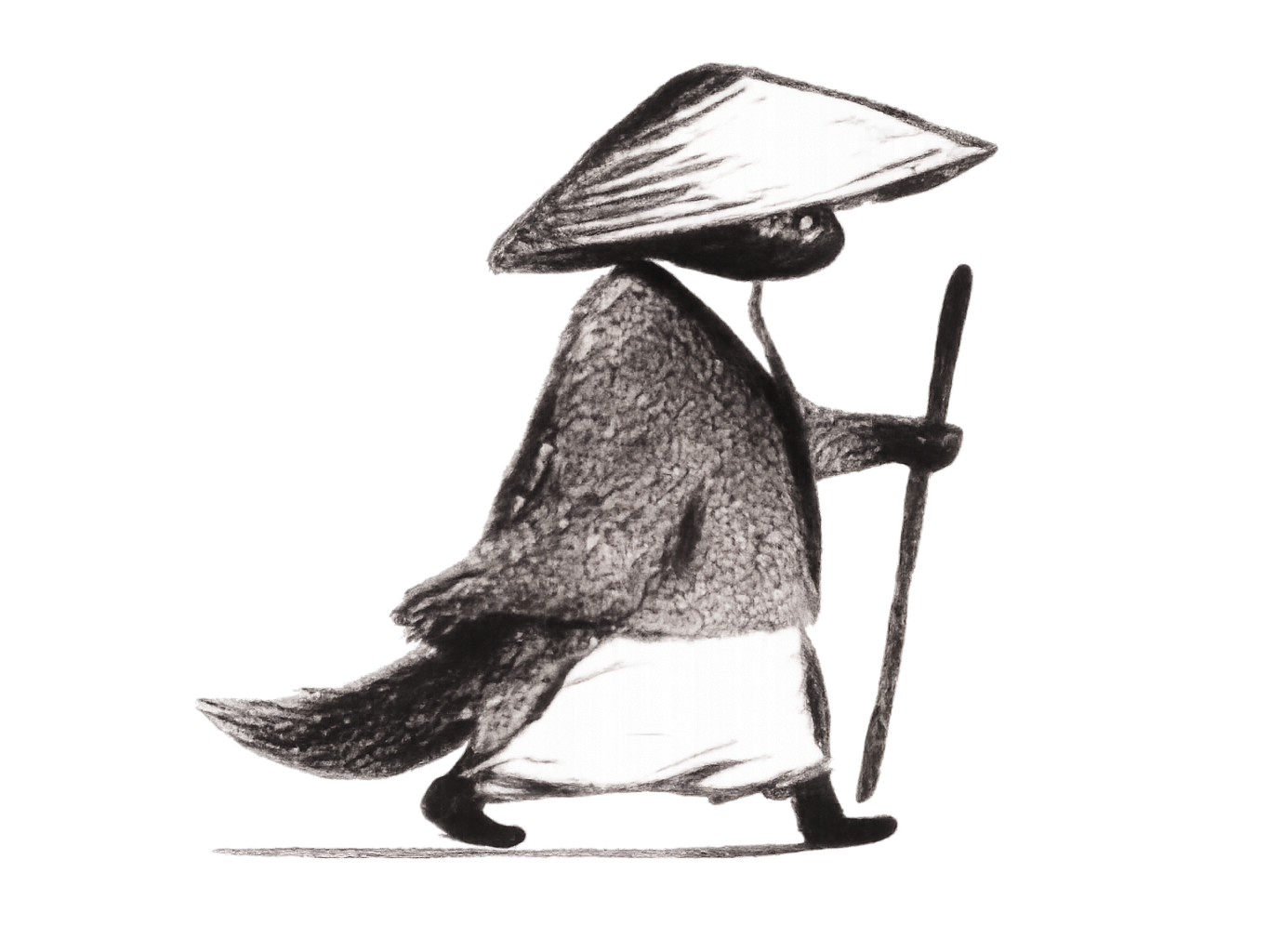
鯖の骨
波に還りて
唄ひなし
Mackerel bones
returning to the waves —
song without end.
⸻
Prologue — Leico’s Gift
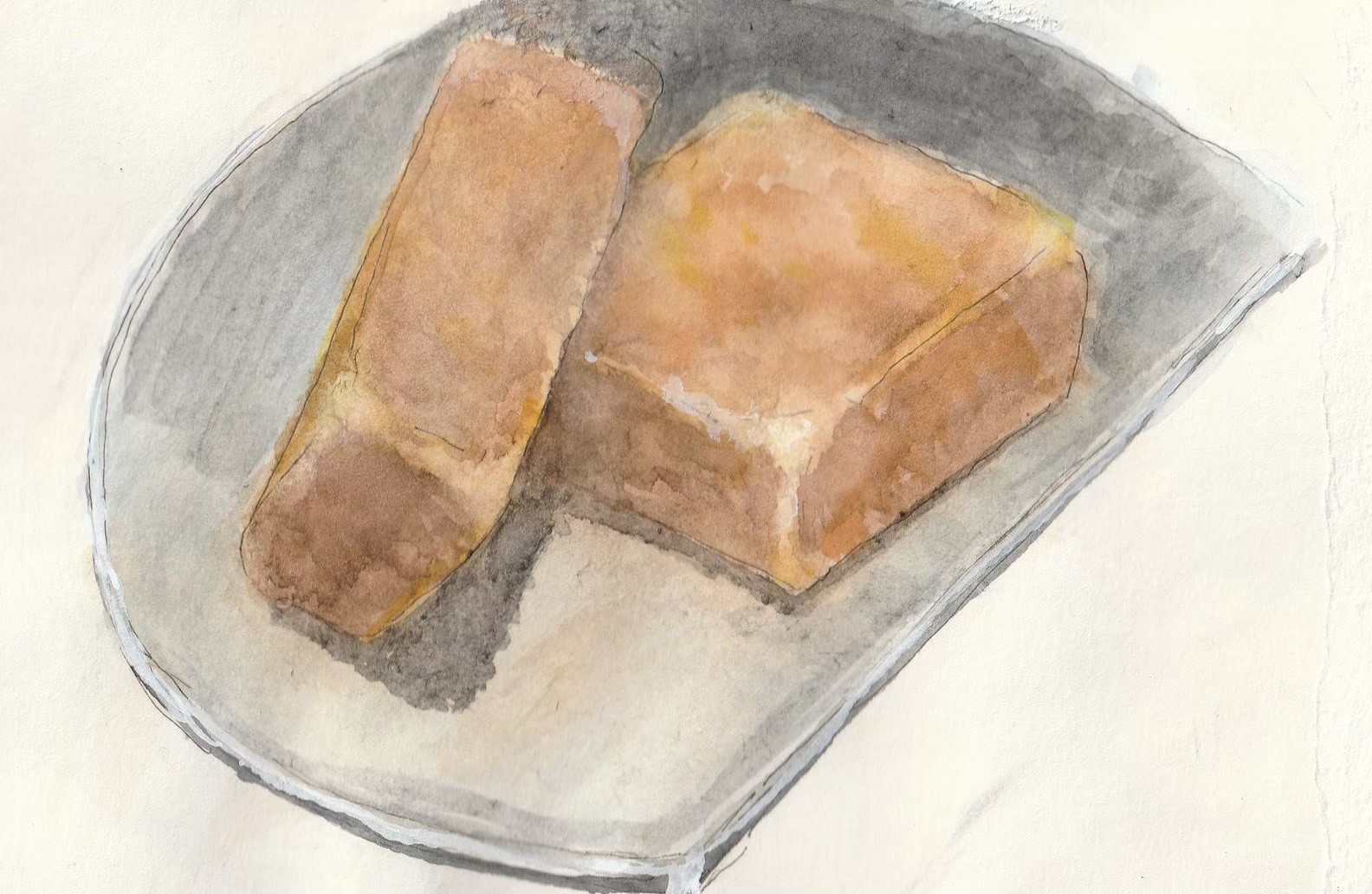
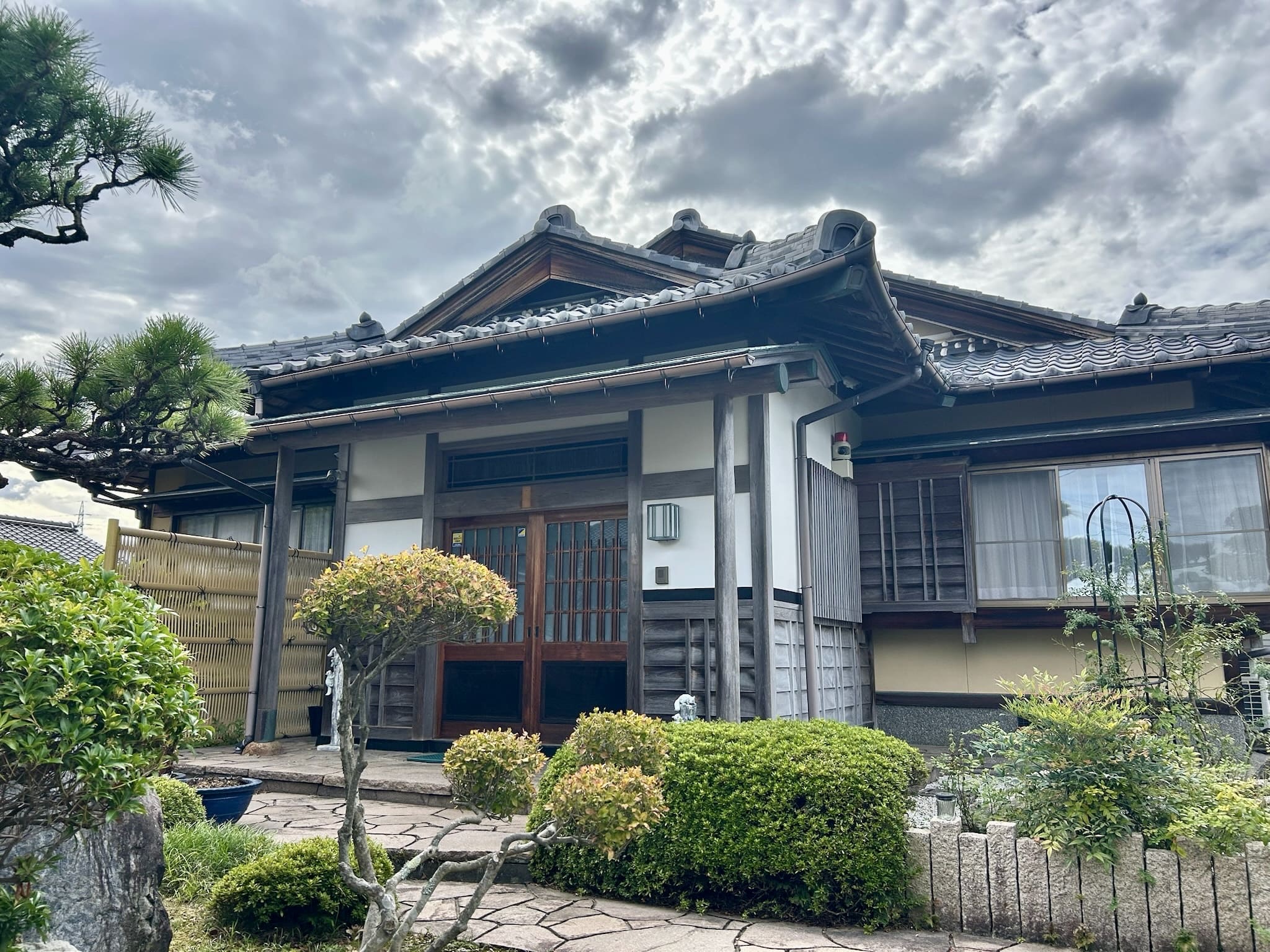
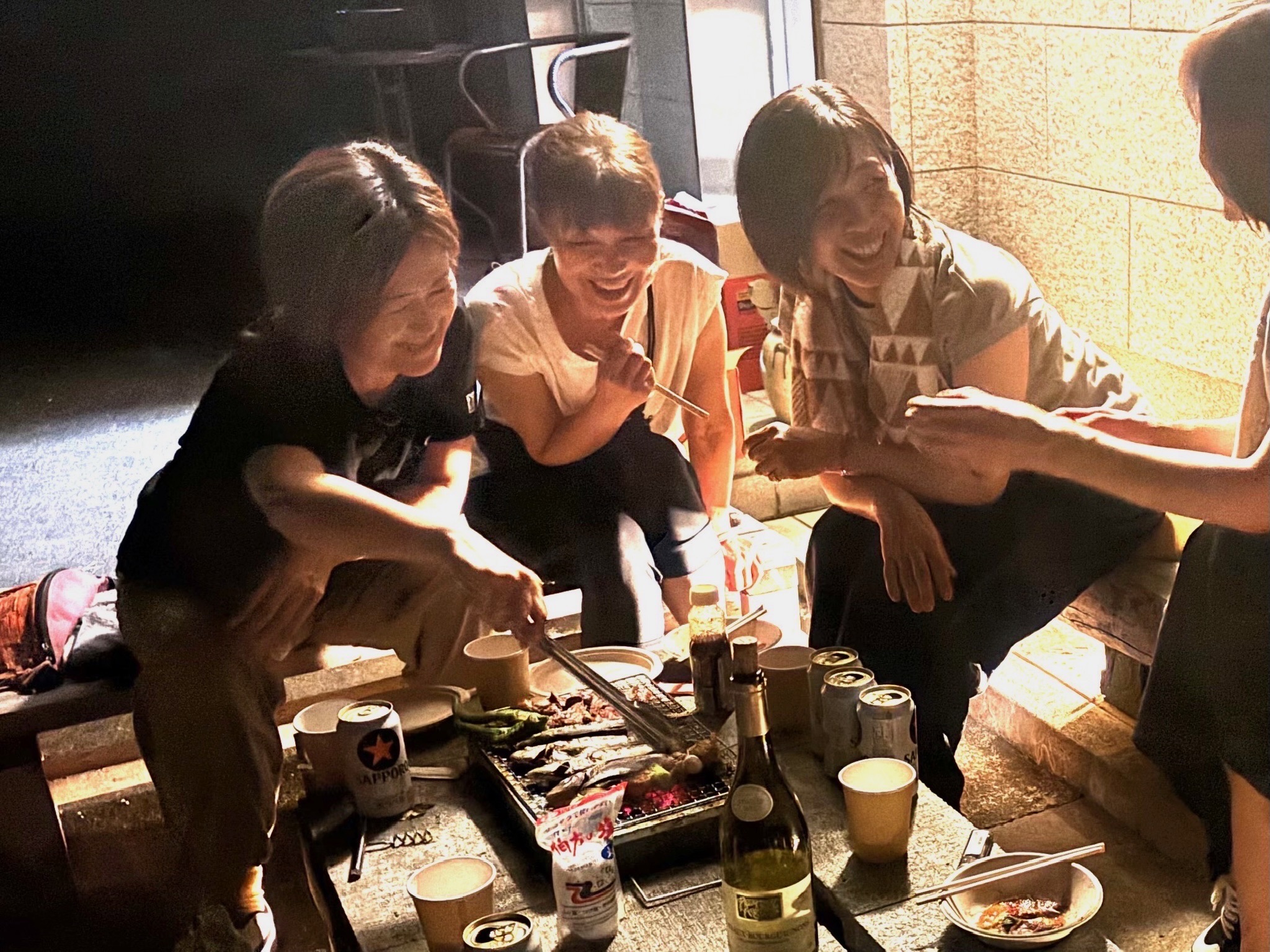
Leico came for lunch one warm May afternoon. She brought tai and seafood rice, still fragrant with the sea. We sat together at the horigotatsu, a soft breeze drifting in from the naka-niwa, carrying the sweetness of early summer.
Leico is a friend of Daisan — and to me, a quiet patron of the heart. Not with money, but with knowledge, laughter, and stories that tie these hills and inlets together like hidden threads beneath old silk.
As we ate and watched the light shift across the garden, Leico told me about Eri — a woman of Maizuru’s shadowed port, whose shamisen once stirred the restless hearts of men who vanished at sea, and whose music still lingers when the night grows still.
This is her story, as Leico entrusted it to me — a small offering for Aoba-an, and for all who listen for the echoes of Wakasa Wan.
⸻
Eri and the Silent Strings
Eri was born in 1922, in an entertainment house near Higashi-Maizuru Station — a district once alive with navy men, port workers, and the discreet grace of geisha who poured sake, played shamisen, and wove laughter behind thin sliding doors.
Her parents ran one such house. Their days were spent bargaining for fresh fish and fine sake; their nights lit by lanterns and the soft clatter of sandals on old wooden floors.
When guests arrived, little Eri was sent away — but she learned to slip back barefoot, creeping along the narrow stairs, peeking through half-open doors to glimpse silk sleeves and hear the sorrowful hum of the shamisen.
When the house fell silent and the women slept between engagements, Eri would steal into the room, cradle the instrument in her lap, and teach herself how notes bend in the dark.
Her parents forbade her to become a maiko — fearing she might drift from song and dance into the deeper shadows they knew too well. But music slips easily through locks and scoldings. By her teenage years, Eri was sometimes summoned to play for favored guests, her haunting notes weaving a small, quiet fame.
Among the young officers passing through was one — reserved, loyal to his commander, never drawn behind paper doors like the others. While his peers drank deep and vanished into laughter, he would sit beside Eri as she cleaned mackerel near the kitchen, asking softly about her songs, her dreams.
In time, they vanished together — a hurried elopement, a promise spoken against the roar of the sea. They had a daughter, who later found work in a Kyoto hospital. But as so many sea stories end, the tides reclaimed him before his time, and Eri watched the waves for years, hoping he would one day walk back through the port gate.
She grew old on Gorogatake, her shamisen always close. Her daughter — never married, no children of her own — returned to care for her mother, their evenings thick with unspoken worry and an old woman’s stubborn songs.
At night, when the mountain’s silence pressed too heavily on her chest, Eri would lift her shamisen again, its soft notes drifting through pine and salt air. Neighbors, hearing the music, muttered that the daughter must be asleep or drunk — for who else would let an old woman sing to the ghosts of lost sailors?
Still, Eri played on — for her husband, for the men who never returned, and for the girl who once stole a shamisen from sleeping hands to learn how longing sounds in the dark.
⸻
Epilogue — Daisan’s Quiet Ink
That night, hearing Leico’s tale, I drifted into sleep by the horigotatsu, the taste of tai and old songs lingering in my dreams.
At dawn, as the sun lifted over Wakasa Wan, I found it waiting on the warm table — a slip of rice paper, the brush still damp, three kanji left by Daisan’s unseen hand:
忍 — Endure
恋 — Longing
音 — Sound
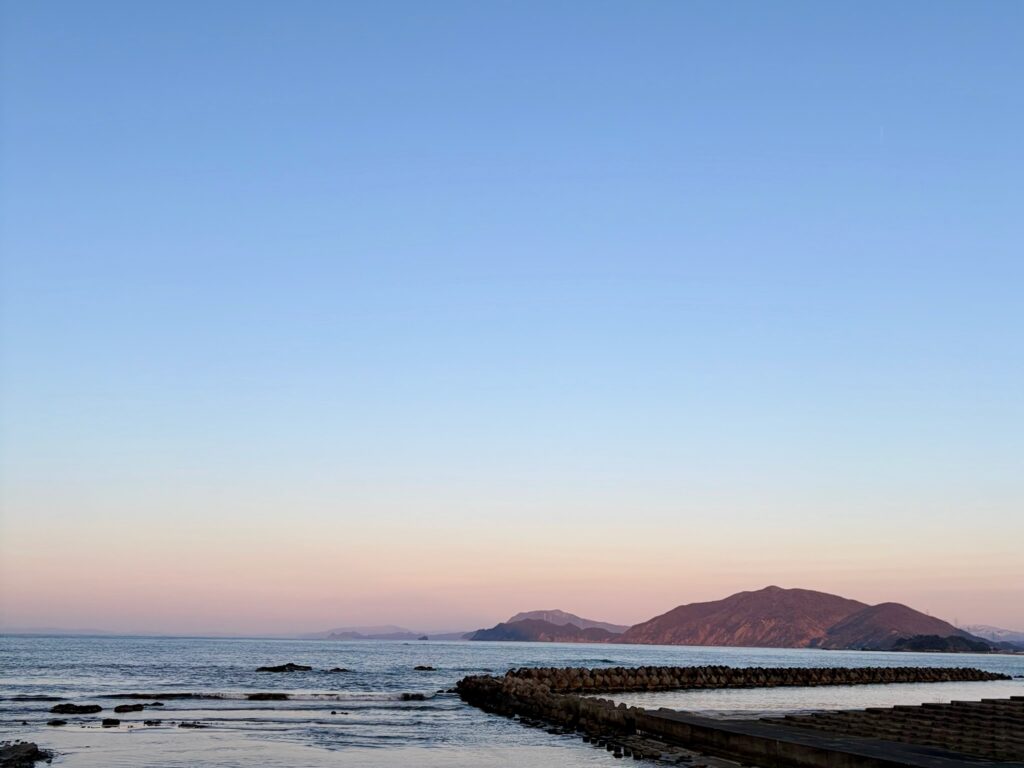
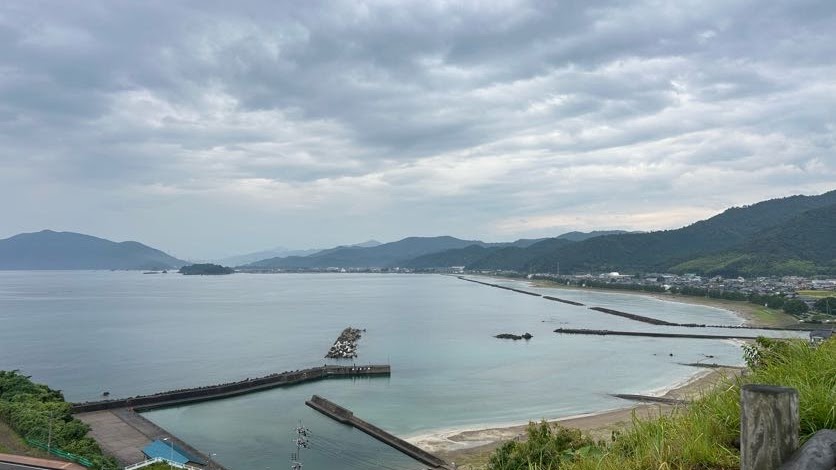
Lest we forget — the echoes of Wakasa Wan still breathe through these hills, these waves, and the quiet rooms of Aoba-an.
⸻
With gratitude to Leico, keeper of stories
This story is inspired by a real woman who lives near Leico. Some details have been adjusted, and others imagined, to protect privacy while honoring the spirit of her life.


 English
  日本語
日本語